Now Reading: How to Start a Blog for Free and Make Money Easily in 2026
-
01
How to Start a Blog for Free and Make Money Easily in 2026

Starting a blog in 2026 is still one of the smartest ways to build an online income, share your expertise, and create a long-term digital asset. Whether you want to blog as a side hustle, build a personal brand, or create a full-time business, blogging offers flexibility and unlimited growth potential.
The good news is that you do not need to be a tech expert or professional writer to succeed. With the right strategy, tools, and consistency, anyone can start a blog and turn it into a source of income.
This step-by-step guide will walk you through everything you need to know, from choosing a profitable niche and setting up your website to publishing content, growing traffic, and making money from your blog.
Can You Still Make Money Blogging in 2026?
Many people wonder if blogging is still relevant in a world dominated by AI tools, social media platforms, and video content. The answer is yes. Blogging remains one of the most reliable ways to generate organic traffic and passive income online.
Is Blogging Dead or Still Worth Starting?
Blogging is far from dead. In fact, high-quality blogs continue to rank on Google, attract millions of readers, and generate significant revenue. While the competition has increased, the demand for trustworthy and helpful content has grown even more.
The key difference today is that successful blogs focus on expertise, originality, and user value rather than publishing content just for search engines.
How Much Money Can Beginners Make From Blogging?
Blog income varies widely. Some beginners earn their first few dollars within a few months, while others build blogs that generate thousands of dollars per month.
Also read: How Can I Start Earning Money From Home Using Online Platforms
New bloggers often start by earning through affiliate commissions, sponsored content, or display ads. With time and traffic growth, income opportunities expand significantly.
How Long Does It Take to Earn Your First Income?
Most bloggers need six to twelve months to see meaningful results. Blogging rewards consistency, patience, and strategic content creation. While it is not a quick-rich scheme, it can become a sustainable source of income over time.
Blogging in 2026 is no longer just a hobby. As a technology blogger, in my opinion, blogging is a global digital industry that supports businesses, creators, and personal brands. With millions of blogs competing for attention, understanding blogging statistics is essential if you want to grow traffic, rank on Google, or make money online.
This article breaks down the most important blogging statistics for 2026, along with insights on what they actually mean for bloggers and content creators.
Key Blogging Statistics for 2026 (Quick Overview)
Blogging continues to evolve rapidly, driven by AI tools, SEO changes, and content saturation.
Top 10 Must-Know Blogging Stats
- Millions of blog posts are published every day worldwide
- WordPress powers a large share of all blogs on the internet
- Most blogs receive little to no organic traffic
- Long-form content consistently performs better in search rankings
- Blogging remains one of the top channels for organic lead generation
- Businesses that blog get significantly more indexed pages
- AI tools are now widely used in content creation
- Affiliate marketing is a primary income source for bloggers
- Most bloggers earn little in their first year
- SEO remains the biggest traffic driver for blogs
Biggest Blogging Trends at a Glance
- AI-assisted content creation is mainstream
- Search intent optimization is more important than keywords
- Content quality is outperforming content quantity
- Authority websites dominate search results
What These Numbers Mean for Bloggers
Success in blogging depends less on publishing volume and more on strategy, SEO, and content depth.
How Big Is the Blogging Industry?
Blogging is still one of the largest content ecosystems online.
How Many Blogs Exist Worldwide?
There are hundreds of millions of blogs across platforms like WordPress, Wix, and Medium, with new blogs being created every day.
How Many Blog Posts Are Published Every Day?
Millions of blog posts are published daily, making content competition extremely high.
Blogging Industry Growth Trends
Despite competition, blogging continues to grow due to:
- AI content tools
- SEO-driven marketing
- Business adoption of content marketing
Blogging Platform Market Share Statistics
WordPress dominates the blogging ecosystem due to its flexibility and SEO capabilities.
Blog Traffic and Readership Statistics
Understanding how users consume blog content is key to ranking.
How Many People Read Blogs?
A large percentage of internet users read blogs to learn, research, or solve problems.
Average Blog Traffic Statistics
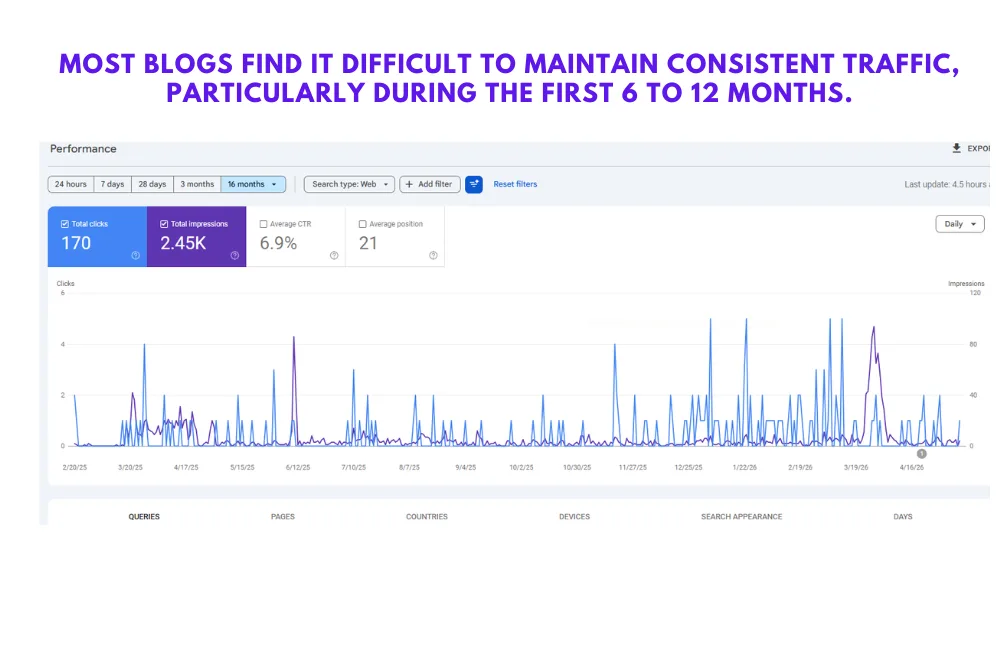
Most blogs struggle with consistent traffic, especially in the first 6–12 months.
How Readers Discover Blog Content
- Google search remains the #1 traffic source
- Social media contributes secondary traffic
- Email newsletters drive returning visitors
Blog Engagement and Bounce Rate Data
High-performing blogs keep users engaged with:
- Clear structure
- Fast loading speed
- Helpful content depth
Blog Content Performance Statistics
Average Blog Post Length
Long-form content (1,500–3,000+ words) tends to perform better in SEO rankings.
How Long It Takes to Write a Blog Post
High-quality blog posts can take several hours to several days depending on research depth.
Long-Form vs Short-Form Content Performance
Long-form content consistently ranks higher on Google due to better topic coverage.
Most Effective Blog Formats
- How-to guides
- List posts
- Case studies
- Comparison articles
SEO and Blogging Statistics
How Blogs Drive Organic Traffic
SEO-optimized blogs generate long-term organic traffic without paid ads.
Blog Ranking Success Rates
Only a small percentage of blog posts reach top positions on Google.
Also read: 7 Must Have AI Tools that Every Digital Marketer Should Use
Impact of Keyword Optimization
Keyword research still plays a major role in ranking, but context and intent matter more.
Internal Linking and SEO Performance
Strong internal linking improves crawlability and rankings.
Featured Snippet Statistics
Structured content with clear headings is more likely to appear in featured snippets.
Business Blogging Statistics
How Blogging Impacts Lead Generation
Blogs are one of the most effective tools for generating qualified leads.
Blogging ROI for Businesses
Companies that maintain blogs often see higher ROI compared to non-blogging competitors.
Blogging vs Other Marketing Channels
Blogging provides long-term value compared to paid ads, which stop when spending stops.
Why Companies Continue Investing in Blogs
Because blogs build authority, traffic, and trust over time.
Blogger Income Statistics
How Much Money Bloggers Make
Income varies widely from zero to full-time income levels depending on niche and traffic.
Highest-Paying Blog Niches
- Finance
- Technology
- Health
- Marketing
Revenue Sources for Bloggers
- Affiliate marketing
- Display ads
- Digital products
- Sponsored posts
What Percentage of Bloggers Earn Full-Time Income
Only a small percentage of bloggers reach full-time income levels, usually after consistent effort.
AI in Blogging Statistics
How Many Bloggers Use AI Tools
A growing majority of bloggers now use AI tools for writing, research, or SEO.
Learn more AI tools:
Best AI Tools for Image Generation in 2026
Most Common AI Use Cases in Blogging
- Content drafting
- Keyword research
- Blog idea generation
- Editing and optimization
AI’s Impact on Content Creation Speed
AI significantly reduces content production time, allowing faster publishing cycles.
Also read: The Hidden Negative Impact of Artificial Intelligence on Society
Human vs AI-Assisted Blog Performance
Human-edited content still performs better in trust and engagement.
Blogging Challenges and Failure Statistics
Why Most Blogs Fail
- Lack of consistency
- Weak SEO strategy
- Poor niche selection
- Low-quality content
Common Blogging Obstacles
- Traffic acquisition
- Monetization delays
- High competition
Content Saturation and Competition Data
The internet is saturated with content, making differentiation essential.
Future of Blogging Statistics and Trends
Is Blogging Growing or Declining?
Blogging is evolving—not declining. It is becoming more competitive and strategic.
Emerging Blogging Trends
- AI-assisted content workflows
- Search intent optimization
- Authority-based ranking
- Multimedia blogging
What Successful Bloggers Are Doing Differently
They focus on:
- Depth over quantity
- Strong SEO foundations
- Personal branding
- Content systems
Key Takeaways From Blogging Statistics
What Bloggers Should Focus On in 2026
- High-quality SEO content
- Topic authority
- User intent optimization
- Consistency
How to Use These Statistics to Grow Faster
Use data to:
- Choose better niches
- Improve content strategy
- Focus on profitable traffic sources
Why Starting a Blog Is One of the Best Online Businesses
Blogging offers several advantages compared to other online business models.
Low Startup Cost and High Income Potential
You can start a professional blog with minimal investment, often less than the cost of a monthly streaming subscription. At the same time, the income potential can grow substantially through multiple monetization channels.
Blogging Creates Passive Income Over Time
Unlike freelancing, blog posts can continue attracting readers and generating income long after they are published. This makes blogging a powerful passive income strategy.
Build Authority and Personal Brand
A blog helps establish credibility in your niche. It can lead to speaking opportunities, consulting work, collaborations, and career growth.
Step 1: Choose a Blog Niche That Can Make Money
Choosing the right niche is one of the most important decisions you will make.
How to Pick a Profitable Blogging Niche
The best niche sits at the intersection of your interests, expertise, and market demand. Ask yourself what topics you enjoy discussing and whether people actively search for information on those topics.
Evergreen Blog Niches That Perform Well
Popular profitable niches include:
- Personal finance
- Health and wellness
- Technology and AI
- Education and productivity
- Lifestyle and parenting
- Travel
- Career development
Passion vs Profit: Which Matters More?
Passion helps you stay consistent, but profitability matters if you want to monetize. Ideally, choose a niche that balances both.
Niche Validation Before You Start
Use keyword research tools to check search demand and competition. Explore existing blogs to understand content opportunities and audience interest.
Step 2: Pick Your Blog Name and Domain Name
Your blog name should be memorable, easy to spell, and relevant to your niche.
Tips for Choosing a Memorable Blog Name
Keep it short, simple, and flexible enough to grow with your content.
How to Check Domain Availability
Use a domain registrar to search for available names. Try to secure a .com domain when possible.
Common Blog Naming Mistakes to Avoid
Avoid overly complex words, numbers, or names that limit future expansion.
Step 3: Choose the Best Blogging Platform
Your platform determines how much control and flexibility you have.
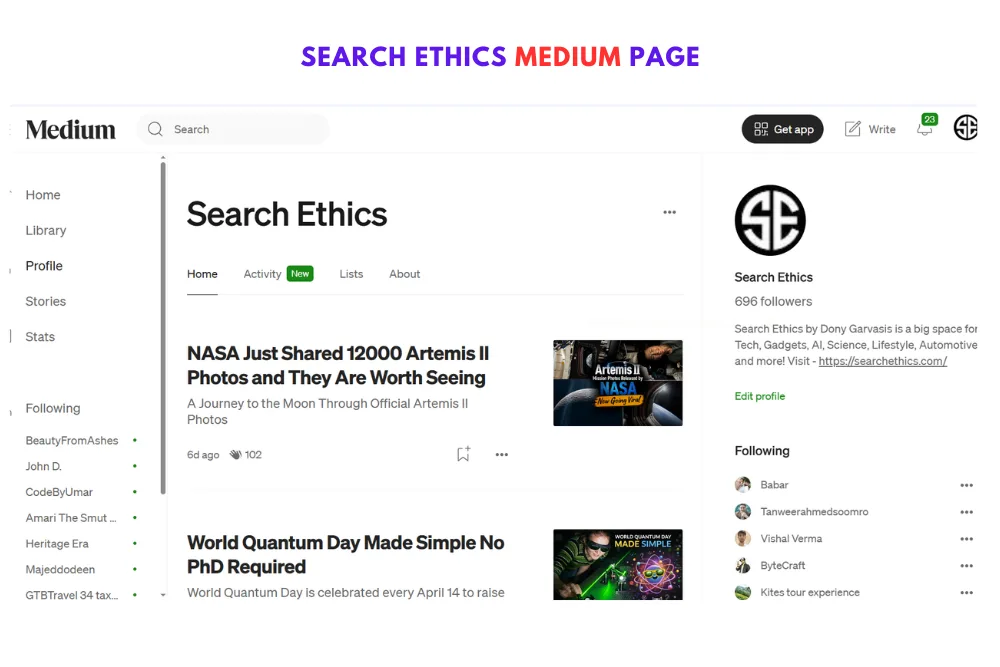
You can checkout medium page of search ethics here.
WordPress vs Blogger vs Wix vs Medium
WordPress offers the most customization and ownership. Blogger and Medium are easier to start but offer limited control. Wix is beginner-friendly but less flexible for long-term scaling.
Free Blog vs Self-Hosted Blog
Free blogs are great for testing ideas, but self-hosted blogs provide full ownership and better monetization opportunities.
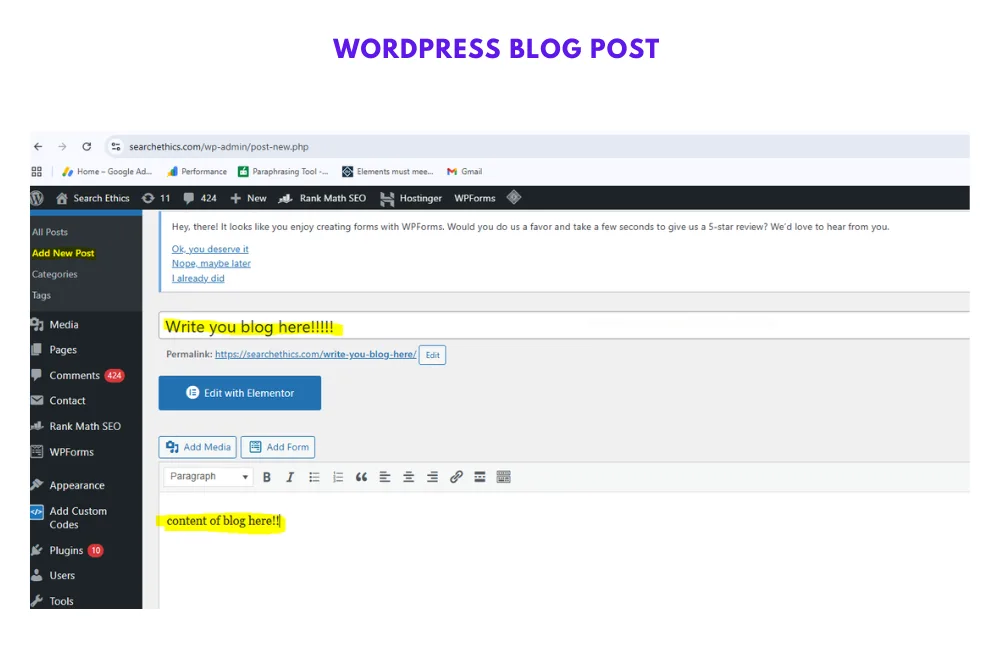
Why WordPress.org Is Best for Serious Bloggers
WordPress.org powers a large portion of the web and offers thousands of themes, plugins, and SEO tools.
Step 4: Buy Hosting and Set Up Your Blog
Hosting stores your website and makes it accessible online.
What Is Web Hosting?
A hosting provider keeps your blog running securely and efficiently.
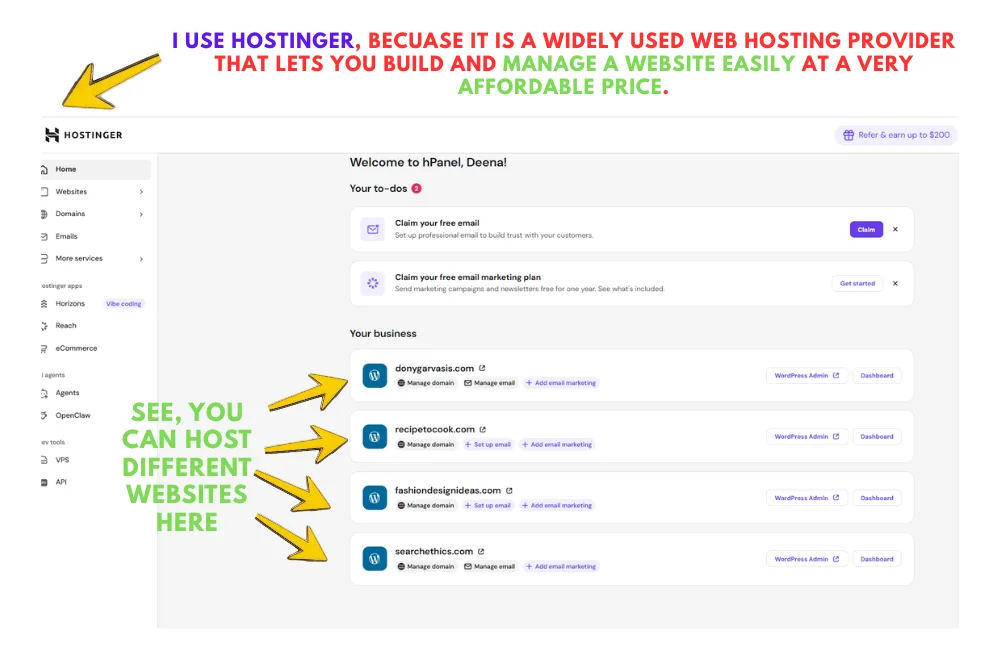
Start downloading Hostinger through this link for a 20% discount
How to Install WordPress Step by Step
Most hosting providers offer one-click WordPress installation. Follow the setup wizard to create your site.
Learn to install wordpress easily
Essential Settings to Configure First
Update your permalink structure, install security plugins, and configure your site title and tagline.
Step 5: Design Your Blog Professionally
A clean and user-friendly design improves trust and engagement.
Choose a Fast SEO-Friendly Theme
Pick a lightweight theme optimized for speed and mobile performance.
Customize Your Homepage and Navigation
Make it easy for visitors to explore your content and understand your purpose.
Make Your Blog Mobile Friendly
Most readers browse on mobile devices, so responsive design is essential.
Step 6: Create Important Pages Before Publishing
Professional blogs need essential pages.
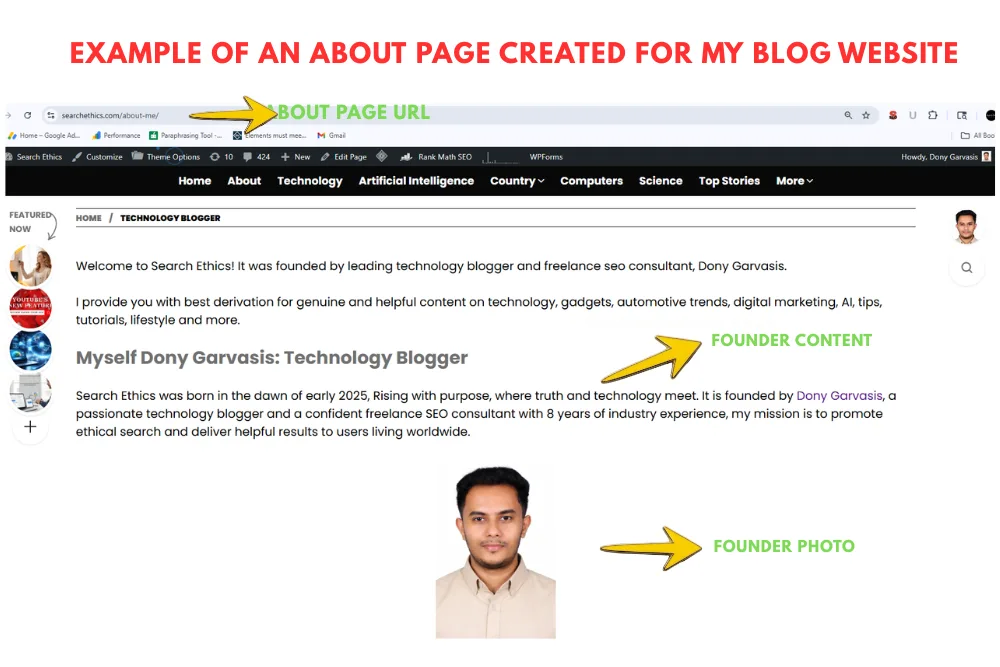
About Page
Tell readers who you are and why they should trust your content.
Contact Page
Provide a simple way for readers and potential partners to reach you.
Privacy Policy and Legal Pages
Include privacy policies and terms to comply with regulations.
Affiliate Disclosure Page
Disclose affiliate relationships transparently to build trust.
Step 7: Write Your First Blog Posts
Content is the foundation of your blog’s success.
How to Find Blog Post Ideas
Answer common questions in your niche and solve real problems.
Keyword Research for Beginners
Use SEO tools to identify search terms with decent volume and manageable competition.
How to Structure SEO-Friendly Blog Posts
Use clear headings, concise paragraphs, internal links, and helpful examples.
AI Tools That Help You Write Faster
AI writing tools can help brainstorm ideas, improve drafts, and optimize content, but human insight remains essential.
Step 8: Optimize Your Blog for Google SEO
SEO helps your blog attract free traffic from search engines.
On-Page SEO Basics
Optimize titles, meta descriptions, headings, and keywords naturally.
Internal Linking Strategy
Link related posts to improve user experience and help search engines understand your site structure.
Image SEO and Site Speed
Compress images and improve loading speed for better rankings.
EEAT and Building Trust
Demonstrate experience, expertise, authority, and trustworthiness through high-quality, original content.
Step 9: Drive Traffic to Your Blog
Traffic is essential for growth and monetization.
Google SEO Traffic
Publish valuable content consistently and optimize for search intent.
Pinterest Traffic
Pinterest can be a major traffic source for visual and lifestyle niches.
Social Media Promotion
Share content on platforms where your audience spends time.
Email List Building From Day One
Build an email list to connect directly with readers and promote future content.
Step 10: How to Make Money From Your Blog
There are multiple ways to monetize a blog.
Affiliate Marketing
Recommend products or services and earn commissions on sales.
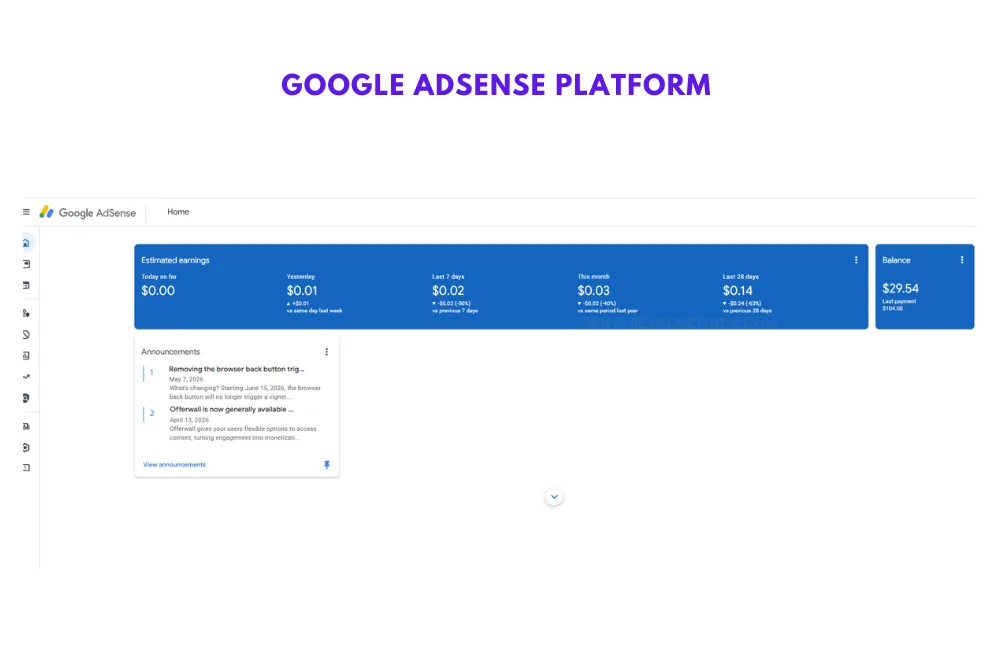
Display Ads
Display Ads, such as Google AdSense, Mediavine, and other ad networks, allow you to earn revenue based on your website’s page views and traffic.
Sponsored Posts
Brands may pay you to create promotional content.
Selling Digital Products
Create ebooks, templates, or courses for scalable income.
Coaching and Freelance Services
Use your blog to attract consulting clients or freelance opportunities.
Common Blogging Mistakes Beginners Make
Avoiding common mistakes can save time and frustration.
Choosing the Wrong Niche
Do not select a niche solely based on trends.
Ignoring SEO
Without SEO, your blog may struggle to attract traffic.
Publishing Without a Strategy
Consistency and planning are essential.
Quitting Too Early
Blogging success often takes longer than expected.
Blogging Costs Breakdown (What You Actually Need to Spend)
Understanding costs helps you plan effectively.
Free Blogging Costs
Free platforms require no upfront payment but limit control.
Budget Blogging Setup
A domain and hosting typically cost a modest annual investment.
Professional Blogging Investment
Premium tools, themes, and plugins can enhance growth.
30-Day Blog Launch Checklist
A structured launch plan keeps you on track.
Week 1 Setup Tasks
Choose your niche, domain, hosting, and platform.
Week 2 Content Creation
Write and publish your first foundational posts.
Week 3 SEO Optimization
Improve technical settings and optimize content.
Week 4 Promotion and Monetization
Promote your blog and explore your first income opportunities.
Frequently Asked Questions
How much does it cost to start a blog?
You can start a blog for free, but a professional self-hosted blog usually costs between $50 and $150 per year.
Can I start a blog for free?
Yes, free platforms like Blogger and Medium allow you to start without spending money.
How do beginner bloggers get paid?
Most beginners earn through affiliate marketing, ads, and sponsored content.
What type of blogs make the most money?
Finance, health, technology, and business blogs often have strong earning potential.
How many blog posts do I need before monetizing?
There is no fixed number, but publishing 10 to 20 high-quality posts is a strong starting point.
How many blogs are there in the world?
There are hundreds of millions of blogs globally, with new ones created daily.
Is blogging still profitable in 2026?
Yes, blogging is still profitable if combined with SEO, consistency, and monetization strategy.
What percentage of blogs make money?
Only a small percentage of blogs generate significant income.
How many blog posts are published daily?
Millions of blog posts are published every day worldwide.
Are bloggers using AI tools?
Yes, AI tools are widely used for writing, SEO, and content planning.
Starting a blog may feel overwhelming at first, but every successful blogger begins with the same first step. Focus on building a helpful, trustworthy, and valuable resource for your audience. With consistency and patience, your blog can grow into a meaningful platform and a reliable source of income.
Also read:
Can Apps Make You Money Daily? Here’s the Top 10 Earning Apps
Best AI for Studying That Helps You Learn 10X Faster

Dony Garvasis is the founder of Search Ethics, a freelance SEO consultant, and a passionate technology blogger. With over 8 years of experience in SEO, blogging and content marketing, I provide expert content on Tech, digital marketing, SEO, Artificial intelligence, gadgets, science, automobiles, lifestyle, tips, tutorials and much more. My mission is simple: Ethical Search, Genuine Results! I will make sure people everywhere get trustworthy and helpful information.