Now Reading: What are the Major Tech Product Launches Expected in 2026
-
01
What are the Major Tech Product Launches Expected in 2026
The year 2026 is expected to mark a defining phase in global technology innovation. Major product launches will focus on intelligent automation, sustainability, immersive digital experiences, and advanced computing. These developments are set to reshape how individuals live, work, and interact with technology across consumer and enterprise environments. Below is a detailed overview of the most impactful tech product categories expected to launch or mature in 2026.
Agentic AI and Autonomous Intelligence Systems
One of the most transformative technology launches in 2026 will involve agentic artificial intelligence. These systems go beyond traditional AI assistants by operating autonomously. They are designed to reason, plan, and execute complex workflows without constant human involvement. Businesses are expected to adopt these systems for managing end to end operations such as logistics optimization, marketing execution, and real time decision making. One of the leading multinational firms, Deloitte estimates that the autonomous AI agent market could reach $8.5 billion by 2026 and expand to between $35 and $45 billion by 2030.
Autonomous AI agents will become increasingly valuable in enterprise environments where speed, accuracy, and adaptability are essential. Market projections indicate rapid growth in this sector, reflecting strong demand for systems that can independently manage complex processes at scale.
AI Native Software Development Platforms
AI native development platforms are expected to redefine how software is built and maintained. These platforms deeply integrate artificial intelligence into the entire development lifecycle. AI will assist with planning, coding, testing, debugging, and performance optimization while working alongside human developers. This shift will significantly accelerate software delivery timelines and improve application quality. As these platforms mature, development teams will focus more on strategic thinking and innovation rather than repetitive technical tasks. This trend highlights how AI will become a core collaborator in software engineering rather than a supporting tool.
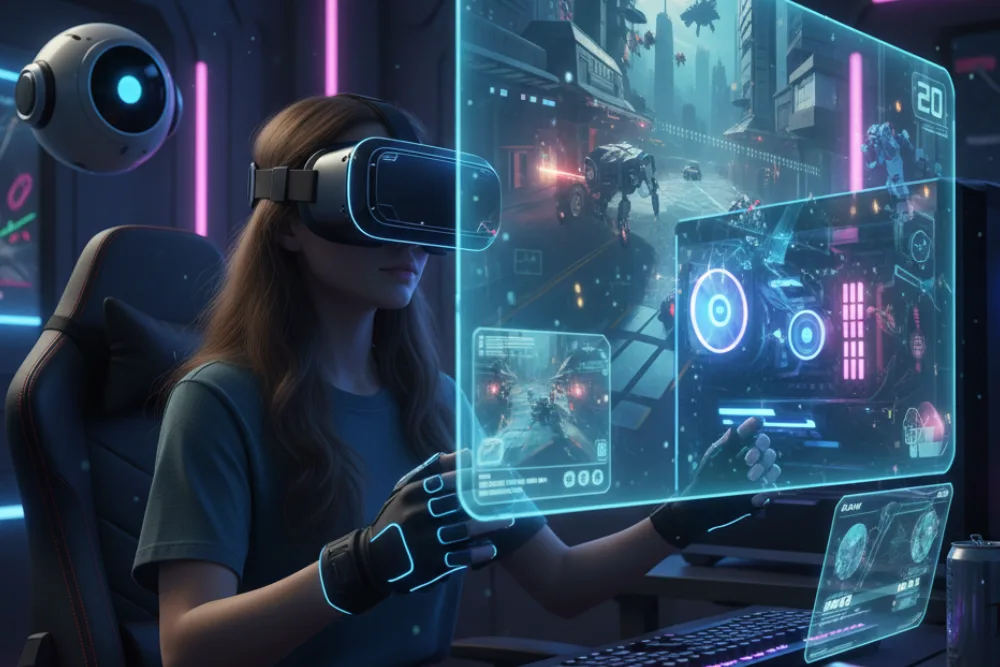
The coming years will see gaming lead major tech updates through virtual worlds, real-time AI, and high-performance systems.
Neural Interfaces and Brain Computer Technology
Neural interface technology will see major progress in 2026, with new products enabling direct interaction between the human brain and digital systems. These brain computer interfaces are expected to open new possibilities in healthcare, gaming, and communication. In medical applications, neural interfaces may support rehabilitation, assistive technologies, and cognitive enhancement. In entertainment and gaming, they could introduce more immersive control systems that respond directly to neural signals. These advancements represent a major leap in human machine interaction.
Sustainable Technology and Green Computing
Sustainability will be a central theme in technology product launches during 2026. Companies are expected to introduce energy efficient hardware, environmentally responsible computing systems, and sustainable artificial intelligence models. Green computing solutions aim to reduce the carbon footprint of data centers, AI training, and large scale digital operations. As environmental concerns continue to influence purchasing decisions and regulatory policies, sustainable technology will become a competitive advantage rather than an optional feature.
Edge AI and Tiny Machine Learning Devices
Edge AI and Tiny Machine Learning will play a crucial role in the next generation of smart devices. These technologies allow artificial intelligence to operate locally on small devices instead of relying entirely on cloud infrastructure. Products using Edge AI will deliver faster response times, improved privacy, and greater reliability. This will be especially important for internet of things devices, smart homes, autonomous systems, and real time analytics. In 2026, advancements in this area will enable more intelligent and independent devices across industries.
Augmented Reality and Extended Reality Platforms
Augmented reality and extended reality products are expected to become more sophisticated and widely adopted. New devices and platforms will blend digital elements with the physical world to enhance learning, collaboration, and entertainment. Businesses may use these technologies for training, design visualization, and remote collaboration. Consumers will experience richer entertainment and interactive environments. These developments signal a future where digital and physical experiences coexist seamlessly.
Autonomous Mobility and Robotaxi Solutions
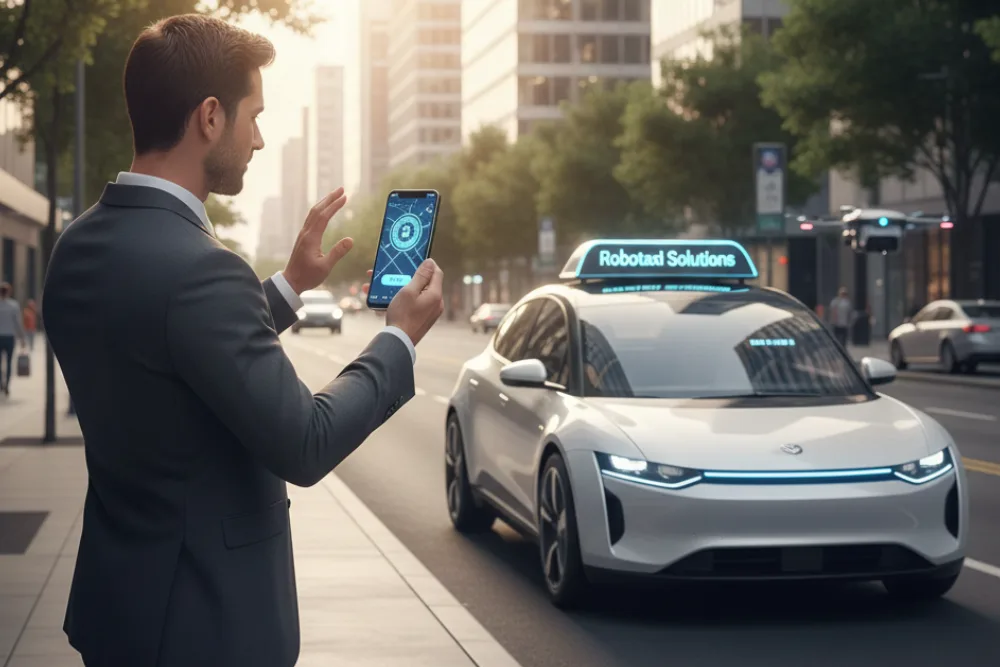
Transportation technology will take a major step forward in 2026 with the expansion of autonomous mobility solutions. Self driving vehicles and robotaxi services are expected to operate with minimal or no human intervention. These launches aim to improve transportation efficiency, reduce accidents, and transform urban mobility. Autonomous transportation systems will increasingly integrate with smart city infrastructure, creating more connected and responsive travel experiences.
Quantum Computing Applications
Quantum computing products will begin moving from experimental stages toward practical applications. In 2026, specialized quantum solutions are expected to address problems that classical computers cannot efficiently solve.Industries such as cryptography, logistics, and materials science will benefit from quantum advancements. While widespread consumer use may still be limited, early enterprise applications will demonstrate the immense potential of quantum computing technology.
Digital Twins and Real Time Analytics Systems
Digital twin technology will evolve significantly, enabling highly accurate virtual replicas of physical systems. These systems will be used for monitoring, simulation, and predictive analysis across industries. Manufacturing, infrastructure, and logistics sectors will rely on digital twins to optimize performance, reduce downtime, and improve decision making. Real time analytics combined with digital twins will enhance operational visibility and strategic planning.
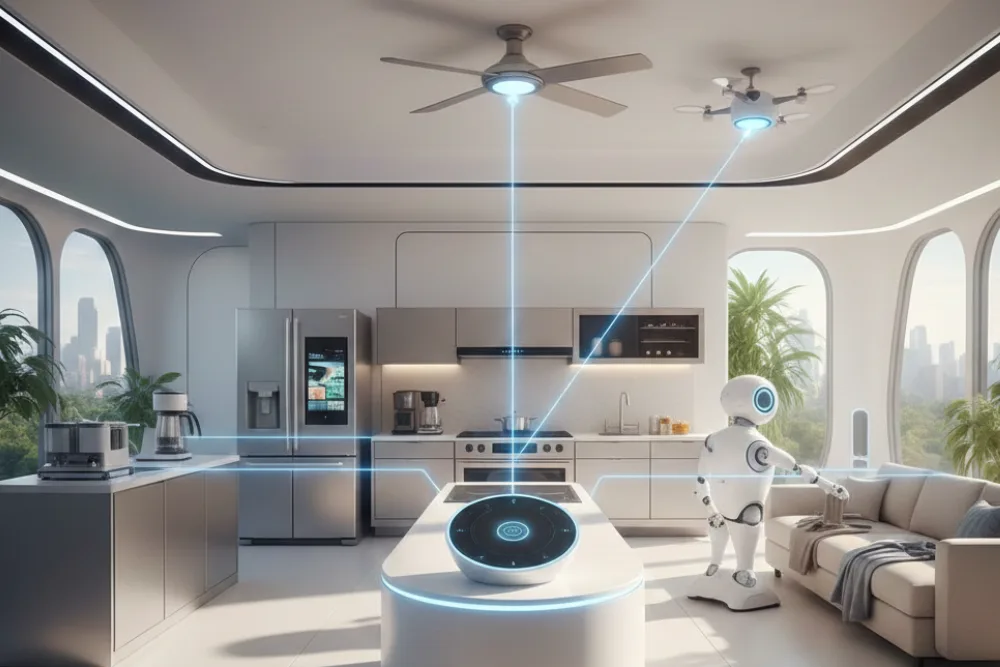
AI-powered domestic robots performing household tasks as more people adopt smart robotics for daily home assistance.
Intelligent Homes and Domestic Robotics
Consumer technology in 2026 will focus heavily on intelligent living environments. Smart home systems powered by artificial intelligence will manage appliances, energy usage, and security autonomously. Domestic robots and drones designed for household tasks will become more practical and accessible. These products aim to save time, improve convenience, and enhance quality of life for consumers worldwide.
Final thoughts
The major tech product launches expected in 2026 reflect a clear shift toward autonomy, intelligence, and sustainability. From agentic AI and neural interfaces to quantum computing and intelligent homes, these innovations will redefine industry standards and everyday experiences. As these technologies mature, they will drive efficiency, enhance human capabilities, and shape the future of digital interaction across global markets.
Frequently Asked Questions
What is agentic AI?
Agentic AI refers to autonomous systems that can reason, plan, and execute tasks independently without continuous human input.
Why is Edge AI important?
Edge AI enables faster processing, improved privacy, and reliable performance by running intelligence directly on local devices.
How will quantum computing be used in 2026?
Quantum computing will focus on solving complex problems in areas such as cryptography, logistics, and materials research.
What industries benefit most from digital twins?
Manufacturing, infrastructure, logistics, and operations management benefit significantly from digital twin technology.
Are intelligent home systems safe?
Intelligent home systems are designed with advanced automation and analytics to improve safety, efficiency, and convenience.
Get more tech news from Search Ethics.

Dony Garvasis is the founder of Search Ethics, a freelance SEO consultant, and a passionate technology blogger. With over 8 years of experience in SEO, blogging and content marketing, I provide expert content on Tech, digital marketing, SEO, Artificial intelligence, gadgets, science, automobiles, lifestyle, tips, tutorials and much more. My mission is simple: Ethical Search, Genuine Results! I will make sure people everywhere get trustworthy and helpful information.