Now Reading: How to Make a Podcast with Beginner-Friendly Platforms
-
01
How to Make a Podcast with Beginner-Friendly Platforms
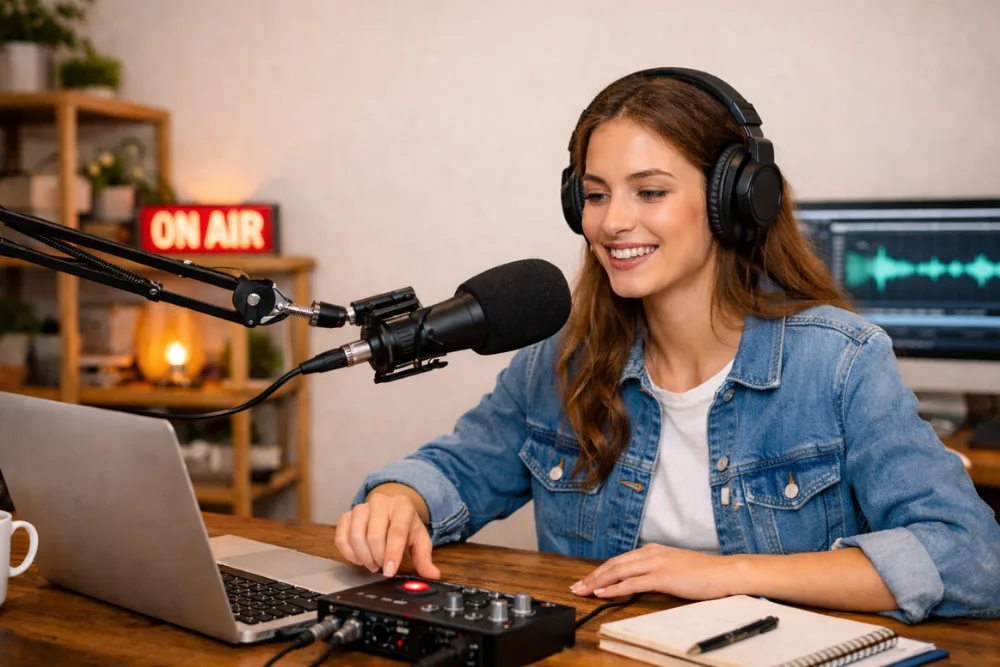
Starting a podcast is simple when you follow a clear step by step process using beginner friendly tools. You need a focused topic, basic equipment, easy recording and editing software, a reliable hosting platform, and a strong launch plan. With the right approach, you can publish professional quality episodes and grow an audience without technical complexity.
Podcasting has become one of the most accessible ways to share ideas, educate audiences and build a personal or business brand. You no longer need advanced technical skills or expensive studios to begin. With a clear concept and the right beginner friendly platforms anyone can confidently launch a podcast. This guide explains the entire process in a structured and practical way so you can move from idea to published episodes with clarity and confidence.
Step 1: Develop your podcast concept
Every successful podcast starts with a strong and well defined concept. Your concept determines who your audience is what value you provide and how consistent you can be over time. The first step is choosing a topic you genuinely care about and can commit to discussing regularly. Passion matters because podcasting is a long term effort and your enthusiasm will directly affect the quality of your episodes.
Narrowing your niche is essential for attracting a specific audience. Instead of covering a broad topic try focusing on a clear angle that speaks directly to a particular group of listeners. A defined niche makes it easier for people to understand why they should listen and what they will gain from your show.
You should also think carefully about your podcast goals. Some podcasts aim to entertain while others focus on education or building a business brand. Knowing your purpose helps shape your episode structure tone and content strategy. For example, an educational podcast may focus on clear explanations and actionable insights while an entertainment focused podcast may prioritize storytelling and personality.
Creating a unique angle is another key part of your concept. Even if your topic already exists in podcast form your perspective and approach can make your show stand out. Your personal experience style of communication and way of presenting ideas all contribute to making your podcast distinct and memorable.
Step 2: Choose your equipment
One of the most common misconceptions about podcasting is that you need expensive equipment to get started. In reality beginners can achieve excellent sound quality with affordable and easy to use tools. The goal at this stage is clarity and consistency rather than perfection.
A beginner friendly microphone like the Samson Q2U is a practical choice. It is affordable simple to set up and delivers quality audio suitable for new podcasters. Using a dedicated microphone instead of a built in laptop microphone significantly improves sound quality and makes your podcast more enjoyable to listen to.
Headphones are also an important part of your setup. A reliable option such as the Audio Technica ATH M50x allows you to monitor your audio while recording. Monitoring helps you catch issues like echo background noise or volume imbalance early which saves time during editing.
When choosing equipment focus on ease of use and reliability. Simple setups reduce technical stress and allow you to concentrate on creating valuable content. As your podcast grows you can always upgrade your gear but starting with beginner friendly tools is the most effective approach.
Step 3: Pick your recording and editing software
Recording and editing software plays a crucial role in the podcasting process. The right tools make it easy to capture clear audio and refine your episodes without a steep learning curve.
For solo recordings simple built in tools are often sufficient. Mac users can record using QuickTime Player while Windows users can rely on Sound Recorder. These tools are straightforward and reliable for basic recording needs especially when you are just starting out.
If your podcast includes guests or co hosts remote recording platforms are a better option. Cloud based services like SquadCast offer high quality remote recording and ensure that each participant audio is captured clearly. This is particularly useful for interviews and collaborative shows.
Editing is where your podcast truly comes together. Beginner friendly editing software like Descript simplifies the process with transcript based editing. This allows you to edit audio by working directly with text which makes it easier to remove mistakes improve flow and refine your message.
Audacity is another popular option for editing and is available for free. While it may feel slightly more complex than Descript it offers powerful features for those willing to spend some time learning the basics. Both tools are suitable for beginners depending on your comfort level and editing preferences.
Step 4: Select a podcast hosting platform
A podcast hosting platform is essential because it stores your audio files and distributes your episodes to major podcast directories. Without a host your podcast cannot reach listeners on platforms like Apple Podcasts and Spotify.
RSS.com is a beginner friendly hosting service that simplifies the process of publishing and distributing your podcast. It offers unlimited episodes automatic distribution and built in monetization options which makes it an attractive choice for new podcasters.
Using a reliable hosting platform ensures that your episodes are delivered consistently and professionally. It also saves you from technical complications related to file storage and distribution. A good host allows you to focus on content creation while handling the technical side of podcast publishing.
When selecting a hosting platform look for ease of use clear analytics and reliable distribution. These features help you track performance understand your audience and grow your podcast over time.
Step 5: Create podcast artwork and write a description
Your podcast artwork and description are often the first impression potential listeners have of your show. Strong visuals and clear messaging play a major role in attracting clicks and new subscribers.
Podcast cover art should be eye catching professional and relevant to your topic. It needs to communicate your podcast theme at a glance and stand out in crowded podcast directories. Simple designs with clear text often perform better than overly complex visuals.
Your podcast description should clearly explain what your show is about and why listeners should care. Focus on the value you provide and the type of content people can expect. A well written description sets expectations and helps listeners decide if your podcast aligns with their interests. Both artwork and description contribute to discoverability and credibility. Investing time in these elements increases the likelihood that new listeners will choose your podcast over others in the same category.
Step 6: Record and launch your first episodes
Once your concept equipment software and hosting platform are ready it is time to record and launch your podcast. Many beginners find it helpful to record a few episodes before launching. This allows you to practice refine your delivery and build confidence behind the microphone.
During recording focus on speaking clearly and maintaining a natural flow. Do not worry about minor mistakes since editing tools make it easy to clean up your audio later. The goal is progress rather than perfection.
Editing your episodes improves audio quality and pacing. Remove long pauses background noise and unnecessary repetitions. This makes your podcast more engaging and professional for listeners.
After editing upload your episodes to your hosting platform. The host will handle distribution to podcast directories. Once your episodes are live promote your podcast through social media and your existing network. Early promotion helps build momentum and encourages initial listener engagement. Launching a podcast is both exciting and rewarding. Each episode builds your skills and strengthens your connection with your audience. Consistency and commitment are key to long term success.
Beginner friendly tools and platforms summary
Starting a podcast becomes much easier when you use tools designed for beginners. Hardware like the Samson Q2U provides quality sound without complexity. Recording platforms like SquadCast make remote interviews seamless. Editing software such as Descript simplifies post production. Hosting services like RSS.com ensure smooth distribution and monetization.
These tools reduce technical barriers and allow you to focus on content creation. By choosing beginner friendly platforms you can launch your podcast with confidence and minimal hassle.
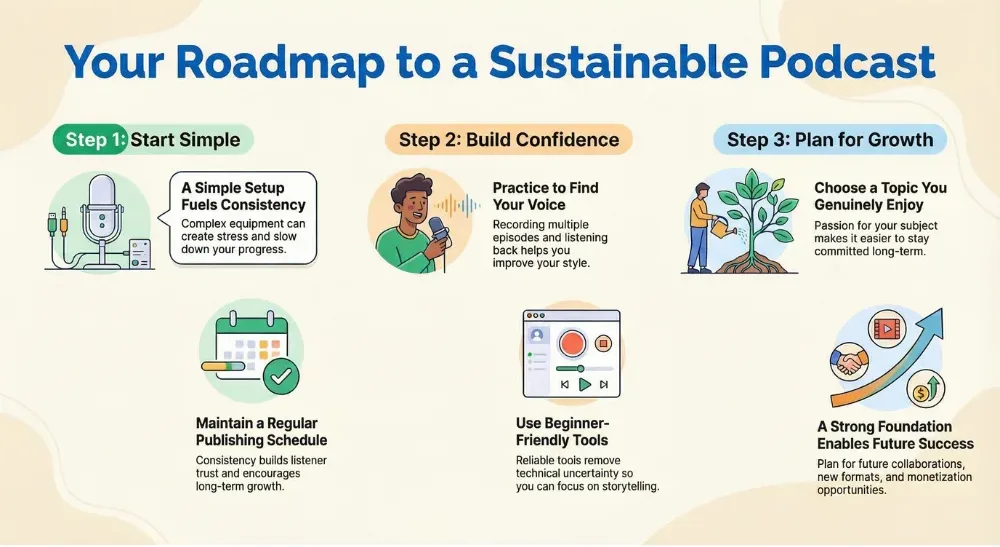
Your Roadmap to Sustainable Podcasting
Why simplicity matters for new podcasters
Keeping your setup simple helps you stay consistent and motivated. Complex workflows and advanced equipment can slow down progress and create unnecessary stress. When you use easy to understand tools you spend more time creating and less time troubleshooting.
A simple approach also makes it easier to maintain a regular publishing schedule. Consistency builds trust with listeners and encourages long term growth. As you gain experience, you can gradually explore advanced features and upgrades.
Building confidence as a beginner
Confidence grows with practice and preparation. Recording multiple episodes helps you find your voice and style. Listening to your own recordings provides insight into areas for improvement.
Using reliable beginner friendly tools removes technical uncertainty and allows you to focus on storytelling and value delivery. Over time your comfort level increases and your podcast becomes more polished.
Long term growth and commitment
Podcasting is a long term project that rewards consistency and dedication. Choosing a topic you enjoy makes it easier to stay committed. A clear concept helps guide content planning and episode creation.
As your podcast grows you may explore new formats collaborations and monetization opportunities. Starting with a strong foundation ensures that future growth is manageable and sustainable.
Final Thoughts
Starting a podcast does not require advanced skills or expensive equipment. By developing a clear concept choosing beginner friendly tools and following a structured process you can launch a professional podcast with confidence. With consistency practice and the right platforms your podcast can grow into a meaningful and rewarding project.
Frequently asked questions
What is the first step to starting a podcast?
The first step is developing a clear podcast concept by choosing a topic you are passionate about and defining your niche and goals.
Do beginners need expensive podcast equipment?
No beginners can start with affordable and easy to use equipment like a basic microphone and reliable headphones.
Which software is best for beginner podcast editing?
Beginner friendly options include Descript for transcript based editing and Audacity as a free alternative.
Why do I need a podcast hosting platform?
A hosting platform stores your audio files and distributes your episodes to major podcast directories.
How many episodes should I record before launching?
Recording a few episodes before launch helps you practice improve quality and launch with confidence.

Dony Garvasis is the founder of Search Ethics, a platform dedicated to transparency, authenticity, and ethical digital practices. With over 8 years of experience in SEO and digital marketing, I provide expert content on Tech, digital marketing, SEO, Artificial intelligence, gadgets, science, automobiles, lifestyle, tips, tutorials and much more. My mission is simple: Ethical Search, Genuine Results! I will make sure people everywhere get trustworthy and helpful information.