Now Reading: This Akai MPC Sample Device is Every Producer’s Dream Machine
-
01
This Akai MPC Sample Device is Every Producer’s Dream Machine
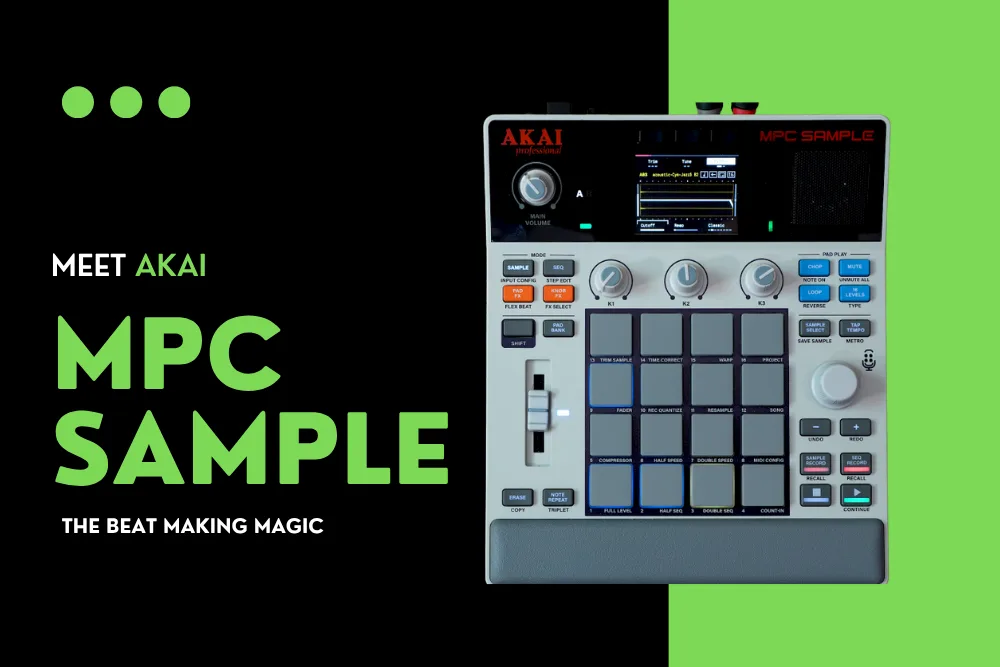
The MPC sample refers to audio clips used within Akai MPC devices for beat making and music production, allowing users to load, assign, and manipulate sounds across pads to create professional tracks with precision and creativity.
Introduction to MPC Sample and Its Role in Music Production
The concept of an MPC sample has become central to modern music production, especially in genres like hip hop, electronic, and experimental music. A sampler allows producers to take small pieces of audio and transform them into entirely new compositions, making it one of the most powerful tools in digital music creation. The MPC sample workflow is designed to be intuitive, tactile, and performance friendly, which is why it has remained relevant for decades.
The resurgence of hardware samplers has brought renewed attention to devices like those from Akai, which continue to innovate while maintaining their legacy. The MPC sample is not just a technical feature, it represents a creative philosophy where sound manipulation becomes an art form. Producers rely on MPC samples to build beats, layer textures, and construct entire songs without relying solely on traditional instruments.
Evolution of Akai MPC and the Modern MPC Sample
The journey of the MPC sample begins with the legacy of Akai MPC devices, which have played a significant role in shaping music history. Earlier models were simple samplers designed for capturing and triggering sounds, but over time, they evolved into full fledged production systems. Despite this evolution, the essence of the MPC sample remains rooted in simplicity and creativity.
In recent developments, Akai introduced a portable and relatively budget friendly MPC sample that blends modern functionality with classic design inspiration. This new device resembles both contemporary grooveboxes and iconic units like the MPC3000 and MPC60. Its design is visually appealing, offering a nostalgic feel while incorporating modern technology.
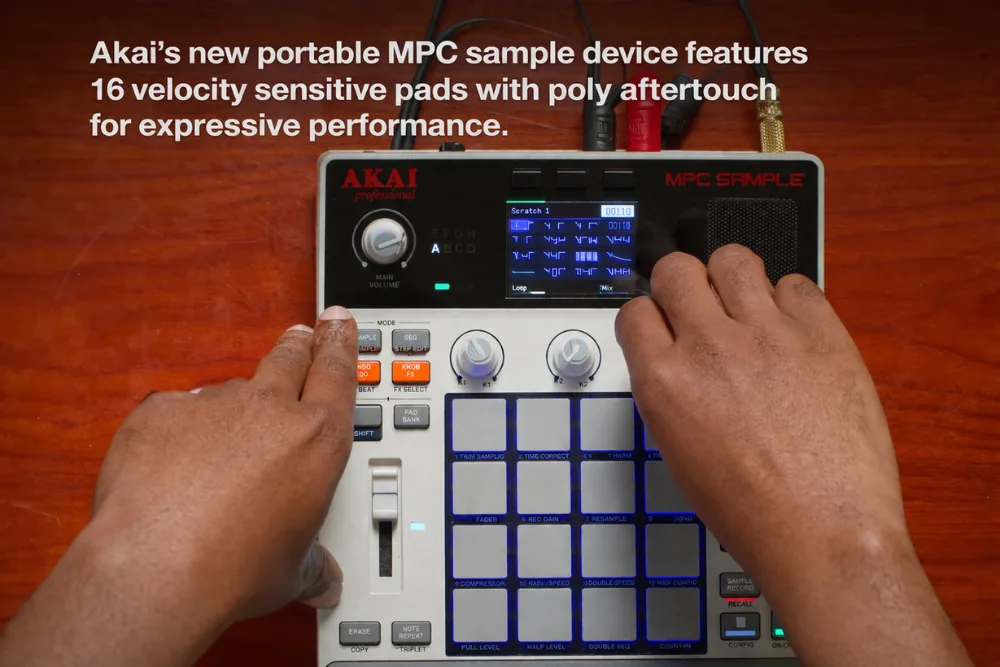
The MPC sample workflow in these devices is enhanced with features such as velocity sensitive pads, poly aftertouch, and improved sequencing capabilities. These advancements ensure that users can create dynamic and expressive performances using their MPC sample collections.
Key Features of the New MPC Sample Device
The latest portable sampler from Akai introduces several noteworthy features that enhance the MPC sample experience. It includes 16 velocity sensitive pads with poly aftertouch, making it ideal for finger drumming and expressive performances. These pads allow users to trigger MPC samples with precision, capturing subtle variations in pressure and timing.
The device supports 32 stereo voices of polyphony, which means multiple MPC sample layers can play simultaneously without compromising sound quality. This is particularly useful for complex compositions where multiple elements are triggered at once.
Storage is another important aspect of it’s workflow. The device comes with 8GB of internal storage, which can be expanded using a microSD card. This ensures that producers can store a large library of MPC samples without worrying about running out of space.
The RAM capacity is 2GB, which aligns with some higher end models like MPC Live and Live II. Although it may seem modest, it is sufficient for handling most MPC sample based projects efficiently.
Battery life is around five hours, making it suitable for portable use. While not groundbreaking, it offers enough runtime for practice sessions, live performances, and mobile production setups.
How MPC Sample Enhances Beat Making and Creativity
The MPC sample workflow is designed to encourage creativity and experimentation. By allowing users to manipulate audio in real time, it opens up endless possibilities for sound design. Producers can chop samples, adjust pitch, apply effects, and sequence patterns, all within a single device.
This hands on approach makes the MPC sample process more engaging compared to traditional software based production. The tactile feedback from pads and controls allows users to feel the rhythm and interact with their music physically.
Another advantage of using MPC samples is the ability to repurpose existing audio. Whether it is a drum loop, vocal snippet, or instrumental phrase, any sound can be transformed into a unique musical element. This flexibility makes the MPC sample an essential tool for both beginners and experienced producers.
Step by Step Guide to Loading an MPC Sample
Loading an MPC sample into a music production device is a straightforward process that ensures smooth workflow and efficient sound management.
Step by Step Guide to Load an MPC Sample
- Prepare Your Audio Files
Ensure your audio files are in compatible formats such as WAV or AIFF, as these provide high quality playback and work seamlessly with most MPC devices. - Transfer Files to the Device
Copy your audio files to a USB drive or SD card, then insert it into your MPC device so the files can be accessed easily. - Open the Browse Menu
Navigate to the browse section on your MPC device and locate the storage device where your MPC sample files are stored. - Select and Load the Sample
Choose the desired MPC sample file from the list and load it into the sample pool, making it available for use in your project. - Assign the Sample to a Pad
Drag and drop the loaded MPC sample onto a pad within the interface so it can be triggered during use. - Trigger and Use the Sample
Press the assigned pad to play the MPC sample in real time, whether you are recording or performing live.
Tips for Efficient MPC Sample Management
Managing MPC samples effectively is crucial for maintaining a smooth production workflow. One important consideration is ensuring that storage devices are properly formatted, with ExFAT being a commonly recommended format for compatibility across systems.
Read about ExFAT file systems and drive formatting
Organizing MPC sample libraries into folders based on categories such as drums, vocals, and effects can save time during production. This makes it easier to locate specific sounds when working on a project.
Another useful tip is to experiment with different loading methods. In MPC software, samples can be imported using drag and drop, browser selection, or kit imports. This flexibility allows users to choose the most convenient method for their workflow.
By maintaining a well organized MPC sample library, producers can enhance productivity and focus more on creative aspects of music production.
Comparing MPC Sample Devices with Other Hardware Samplers
The popularity of hardware samplers has grown significantly, with many musicians preferring the tactile experience they offer. While the MPC sample workflow remains a benchmark, several other devices provide alternative approaches to sampling and performance.
The Akai MPC Live II is often considered a complete production system, offering features like built in speakers, extended battery life, and seamless playback of long stereo samples. It is ideal for users who want a comprehensive solution for both studio and live performance.
The Native Instruments Maschine Plus provides a hybrid experience, combining hardware control with software integration. It allows for direct sampling without a computer while also functioning as a controller when connected.
Another popular option is the Roland SP 404MkII, which offers advanced features such as pitch control, multiple effects per pad, and an intuitive editing interface. It is particularly favored for live looping and creative performance techniques.
The Elektron Model Samples is an entry level device that focuses on simplicity and ease of use. Although it does not support direct sampling, it provides a streamlined workflow for triggering preloaded MPC samples.
Each of these devices offers unique strengths, but the MPC sample workflow continues to stand out due to its balance of simplicity, flexibility, and performance capabilities.
Advantages of Using MPC Sample in Live Performance
Using MPC samples in live performance provides several advantages that enhance both creativity and audience engagement.
Benefits of Using MPC Sample for Live Performance
| Advantage | Description |
|---|---|
| Real Time Performance Control | The ability to trigger an MPC sample in real time allows performers to adapt their music dynamically and create unique variations during each performance. |
| Portability and Flexibility | Modern MPC devices are compact and feature rechargeable batteries, making it easy to use MPC sample workflows in live setups without complex equipment. |
| Seamless Integration | MPC sample devices can connect with MIDI keyboards and digital audio workstations, ensuring smooth synchronization and expanded creative possibilities. |
| Engaging Hands On Experience | The tactile pads allow artists to interact physically with each MPC sample, creating a more expressive and visually engaging live performance. |
Limitations and Considerations of MPC Sample Devices
While MPC sample devices offer numerous benefits, there are some limitations to consider. Storage capacity, although expandable, may still require careful management for large sample libraries. Users need to ensure that their MPC samples are organized efficiently to avoid workflow disruptions.
RAM limitations can also affect performance when working with complex projects. Although 2GB is sufficient for most tasks, heavy sample usage may require optimization techniques such as trimming or resampling.
Battery life, while adequate, may not be sufficient for extended performances without access to charging options. Users should plan accordingly to avoid interruptions during live sessions.
Despite these limitations, the overall functionality and versatility of MPC sample devices make them a valuable tool for music production.
Best Websites to Download High Quality MPC Sample
Finding high quality MPC sample packs is essential for producers who want professional sounding beats and creative flexibility. Several trusted platforms offer both free and premium MPC sample libraries that cater to different styles and production needs.
One of the most popular sources is MPC Samples, which provides a wide range of free and paid expansions, including drum kits, loops, and multi sampled instruments designed specifically for Akai MPC devices.
Another valuable resource is KVR Audio, where users share and recommend curated MPC sample packs from various creators, making it a great place to discover unique sounds.
For producers seeking premium quality, Goldbaby is well known for its vintage drum samples and professionally crafted expansions. Platforms like Splice and Loopcloud also offer massive libraries of royalty free sounds that can be easily used in MPC workflows.
Additionally, niche sources such as Gotcha Noddin provide underground hip hop breaks and classic sounds. Together, these websites ensure that any producer can build a diverse and high quality MPC sample collection.
Future of MPC Sample Technology
The future of this technology looks promising, with ongoing advancements in hardware and software integration. As technology continues to evolve, we can expect improvements in processing power, storage capacity, and user interface design.
The integration of cloud based sample libraries and enhanced connectivity options may further expand the possibilities of it’s workflows. This will allow producers to access and manage their samples more efficiently across multiple devices.
Additionally, advancements in artificial intelligence and machine learning could introduce new ways of manipulating these samples, enabling more sophisticated sound design and automation.
These developments will ensure that, these technology remains at the forefront of music production innovation.
Final Thoughts
The MPC sample is a cornerstone of modern music production, offering a powerful and intuitive way to create, manipulate, and perform audio. From its origins in classic Akai devices to its evolution into advanced portable samplers, the workflow of these continues to inspire creativity and innovation. Whether used in the studio or on stage, it provides unmatched flexibility and control, making it an essential tool for producers and performers alike.
Frequently Asked Questions
What is an MPC sample?
An MPC sample is an audio clip that can be loaded into an MPC device and triggered using pads for music production and performance.
How do I load an MPC sample?
You load an MPC sample by transferring audio files to the device, browsing them in the system, and assigning them to pads.
What formats are supported for MPC samples?
Common formats include WAV and AIFF, which provide high quality audio compatibility.
Can MPC samples be used in live performance?
Yes, MPC samples are widely used in live performances due to their real time triggering and flexibility.
Is the MPC sample workflow suitable for beginners?
Yes, the intuitive interface and straightforward process make it accessible for beginners while still powerful for professionals.
How much storage is needed for MPC samples?
It depends on your library size, but expandable storage options like microSD cards help manage large collections.
Where can I download high quality MPC sample packs for free and paid use?
You can download high quality MPC sample packs from trusted platforms. These include MPC Samples for dedicated MPC expansions, KVR Audio for community recommended free packs, and Splice or Loopcloud for large royalty free libraries. For premium vintage sounds, Goldbaby is a top choice.
What makes MPC sample devices unique?
Their combination of tactile controls, powerful sequencing, and flexible sampling capabilities sets them apart from other music production tools.
Also read: JBL vs. boAt: Which Audio Brand is Right for You?

Dony Garvasis is the founder of Search Ethics, a platform dedicated to transparency, authenticity, and ethical digital practices. With over 8 years of experience in SEO and digital marketing, I provide expert content on Tech, digital marketing, SEO, Artificial intelligence, gadgets, science, automobiles, lifestyle, tips, tutorials and much more. My mission is simple: Ethical Search, Genuine Results! I will make sure people everywhere get trustworthy and helpful information.