Now Reading: How to Start a Technical Blog with Easy-to-Use Website Builders
-
01
How to Start a Technical Blog with Easy-to-Use Website Builders

Starting a technical blog with easy to use website builders is one of the simplest ways to share your technology knowledge, build authority, and grow an online presence.
By choosing the right niche, platform, and content strategy, beginners can launch a professional tech blog without coding skills and gradually turn it into a trusted resource or income source.
The Real Journey Begins
Starting a technical blog is a practical and rewarding way to share your passion for technology while building credibility and visibility online. Using easy to use website builders, beginners can create a professional blog, publish valuable content, attract readers, and even open new career opportunities without dealing with complex technical setups.
Technology blogging has grown steadily because readers are always searching for clear explanations, honest opinions, and helpful tutorials. Whether you are interested in artificial intelligence, programming, cybersecurity, or emerging technology trends, a focused and well planned blog can help you stand out.
With modern website builders, the process has become accessible to anyone who is willing to learn and stay consistent.
This guide explains how to start a technical blog step by step, focusing only on essential information and practical decisions. It is designed to be evergreen, beginner friendly, and aligned with best practices for experience, expertise, authority, and trust.
Also read: Best Web Hosting Providers for Small Business Websites Explained
Choosing the Right Tech Blog Niche
Technology is a broad subject, and trying to cover everything often leads to unfocused content and weak audience connection. Choosing a specific niche is the foundation of a successful technical blog.

A niche helps define who your readers are and what problems you solve for them. Popular technology niches include artificial intelligence, cybersecurity, programming languages, software development, hardware reviews, and emerging trends such as augmented reality and the metaverse. Each of these areas has an active audience that searches for reliable and easy to understand information.
When selecting a niche, focus on a topic you genuinely enjoy and understand. Passion matters because blogging requires consistency, and readers can sense authenticity.
At the same time, consider whether people actively search for information in that niche. A balance between personal interest and audience demand creates the strongest foundation.
Search Ethics exemplifies a tech niche, delivering high-quality technical blog.
A well defined niche also helps with search engine optimization. Search engines prefer websites that demonstrate clear topical relevance and consistent expertise. By focusing on one main area, your blog becomes easier to trust and easier to rank.
Picking a Blog Name and Securing a Domain
Your blog name is your digital identity. It should be short, memorable, and closely related to your chosen technology niche. A clear name helps readers immediately understand what your blog is about and improves brand recognition over time.
Avoid overly complex or generic names. A simple and relevant name is easier to remember and easier to share. Once you decide on a name, securing a matching domain is an important next step. Registering a domain gives you ownership of your online presence and adds credibility to your blog.
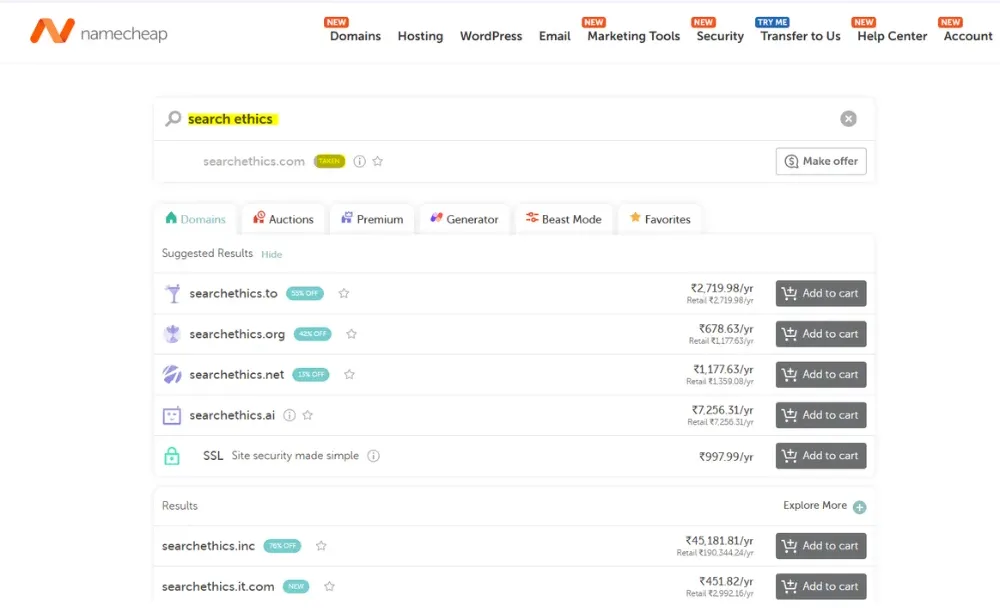
Domain registration services like GoDaddy and Namecheap allow beginners to secure domains quickly and affordably. Owning your domain shows professionalism and builds trust with readers, which is an important element of authority and reliability in technology blogging.
Selecting an Easy to Use Website Builder
For beginners, easy to use website builders are the most practical choice. They remove technical barriers and allow you to focus on content creation rather than setup and maintenance.
Several platforms are well suited for starting a technical blog. Wix offers an intuitive drag and drop editor with built in blogging features, making it ideal for users without coding skills. It allows you to design your blog visually and publish content quickly.
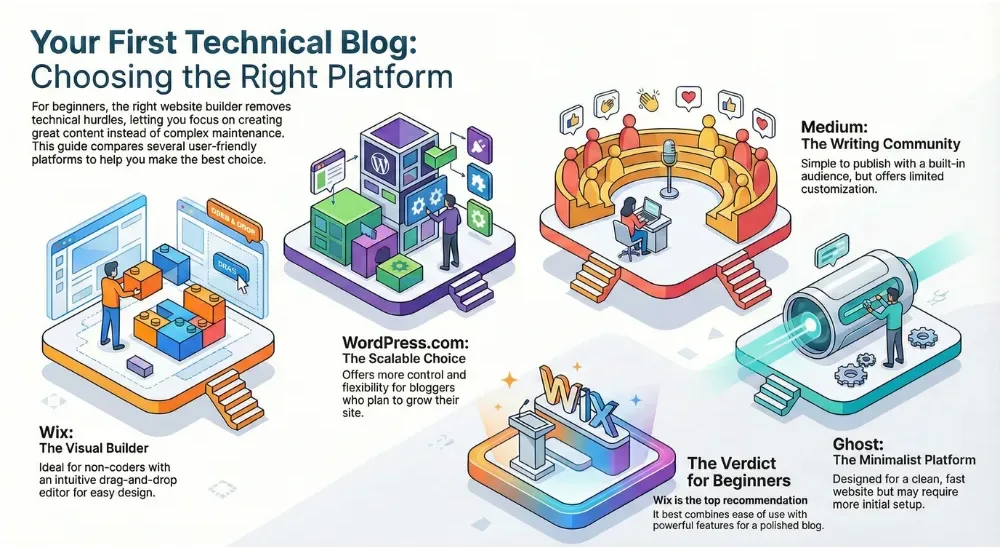
Choosing Your First Technical Blog Infographic Illustration
WordPress.com provides customizable templates and plugins, offering more control while still being accessible to beginners. It is a strong choice for bloggers who want flexibility and plan to grow their site over time.
Medium is a simple writing focused platform with an existing community. While it is easy to publish on, customization is limited and you do not fully own your content. Ghost is designed specifically for bloggers who prefer a clean and fast website, although it may require slightly more setup than other options.
You can take a look to Medium account of Search Ethics as an example.
Among these options, Wix is especially recommended for beginners because it combines ease of use with powerful features. It allows anyone to create a polished technical blog without coding knowledge, making it an excellent starting point.
Customizing Your Technical Blog for a Professional Look
A professional design builds trust and improves user experience. Most website builders offer ready made themes and templates that can be customized to match your niche and personal style.
| Focus | For What? |
|---|---|
| Purpose of Customization | A professional design builds trust and improves user experience for technical blog readers. |
| Themes & Templates | Most website builders provide ready-made themes and templates that can be customized to suit your niche and personal style. |
| Layout & Readability | Use clean layouts, readable fonts, and consistent color schemes to keep the blog organized and easy to navigate. |
| Essential Features | Adding categories, search functionality, and social sharing buttons helps users find and share content easily. |
| Design Philosophy | Customization doesn’t mean complexity—simple design choices work best for technical topics where clarity matters. |
| User Engagement | A well-structured blog encourages readers to stay longer and explore more content. |
Focus on clean layouts, readable fonts, and consistent color schemes. A technical blog should feel organized and easy to navigate. Adding essential features such as categories, search functionality, and social sharing buttons helps readers find content and share it easily.
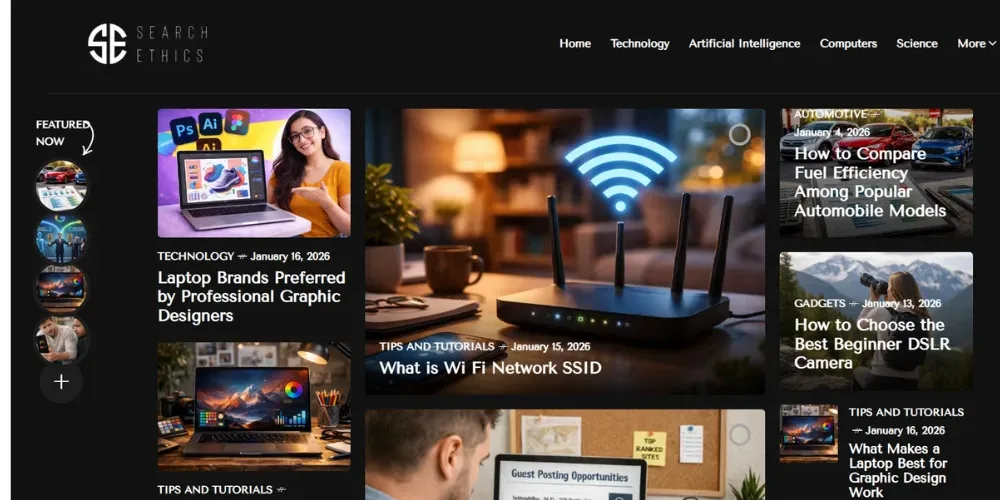
Search Ethics Website Home Page Look
Customization is not about complexity. Simple design choices often work best, especially for technical topics where clarity matters more than decoration. A well structured blog encourages readers to stay longer and explore more content.
Creating High Quality and Trustworthy Content
Content is the core of your technical blog. High quality content builds trust, demonstrates expertise, and keeps readers coming back.
Planning your content in advance helps maintain consistency. Write articles that are informative, accurate, and relevant to your audience. Depending on your niche, content formats may include tutorials, reviews, case studies, and thoughtful opinion pieces.
Focus on explaining concepts clearly and honestly. Use your own experience where possible, and avoid making exaggerated claims. Accuracy and transparency are key elements of trustworthiness in technical blogging.
Related search: Top 5 Must Have Tools for Content Creators
Search engine optimization should be part of your writing process. Use relevant keywords naturally, structure your content with clear headings, and write in a way that answers real user questions. When content is useful and easy to understand, both readers and search engines respond positively.
Promoting Your Tech Blog Effectively
Publishing great content is only the first step. Promotion is essential to reach a wider audience and grow your blog.
Sharing posts on social media platforms helps attract initial readers and encourages engagement. Participating in technology forums and online communities allows you to connect with people who share similar interests. Networking with other bloggers can also increase visibility through collaboration and shared audiences.
Consistency matters in promotion just as much as it does in content creation. Regularly sharing your work and engaging with readers builds momentum over time. Growth may be slow at first, but steady effort leads to long term results.
Monetizing Your Technical Blog When Ready
Monetization is optional, but it becomes possible once your blog attracts steady traffic and has established credibility. Several monetization methods work well for technical blogs. Most bloggers use Adsense as one of the monetization method for earnings.
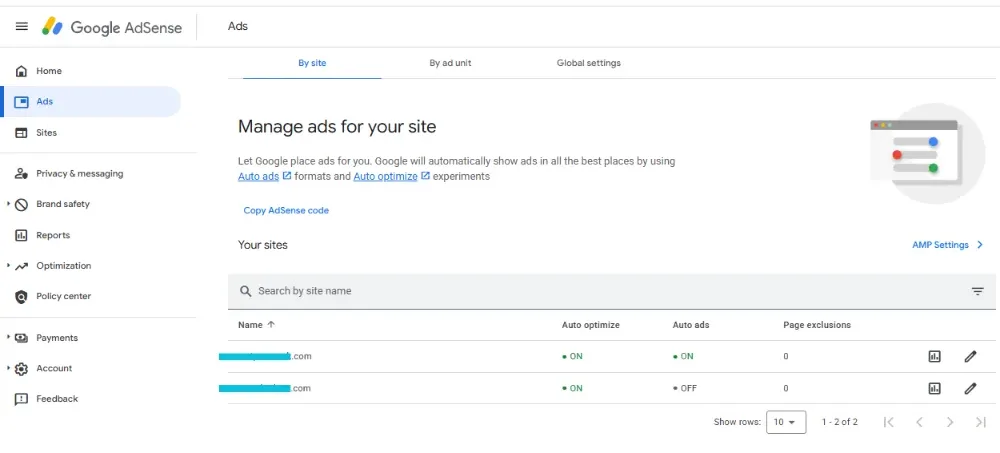
Advertising is one option, allowing you to earn revenue based on page views. Affiliate marketing lets you recommend relevant tools or products and earn a commission. Sponsored posts can provide income through partnerships with brands in your niche. Selling digital products such as guides or courses is another option for experienced bloggers.
Monetization should never compromise trust. Promote only products or services that align with your niche and genuinely help your audience. Maintaining transparency protects your reputation and long term success.
Building Authority and Long Term Growth
How Do You Build Authority and Long-Term Growth with a Technical Blog?
Building authority and long-term growth with a technical blog requires trust, consistency, and genuine expertise. By publishing accurate and helpful content regularly, you establish yourself as a reliable voice in your niche.
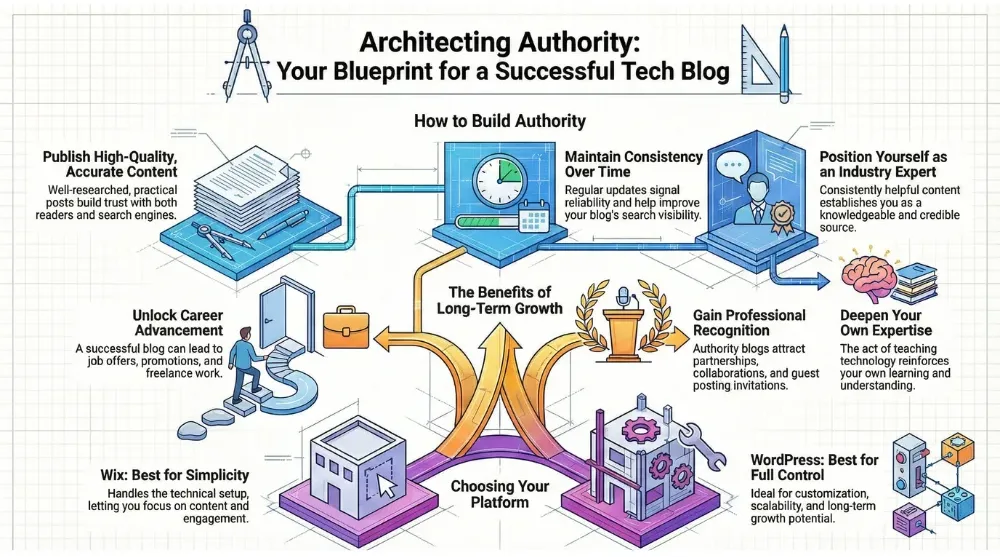
Blueprint for a Successful Tech Blog Infographic
Key Ways to Build Authority with a Technical Blog
-
Publish High-Quality, Accurate Content
Consistently sharing well-researched and practical technical content builds trust with readers and search engines. -
Maintain Consistency Over Time
Regular updates signal reliability, helping your blog grow authority and improve search visibility. -
Position Yourself as an Industry Expert
Over time, helpful content establishes you as a knowledgeable and credible source in your technical field.
Benefits of Long-Term Blog Growth
-
Career Advancement Opportunities
A growing technical blog can lead to job offers, promotions, and freelance opportunities. -
Professional Recognition and Collaborations
Authority blogs often attract partnerships, guest posting invites, and industry recognition. -
Deeper Understanding of Technology
Teaching and writing about technology reinforces your own learning and expertise.
Related search: Benefits of Guest posting for SEO and Brand Awareness
Best Platforms for Long-Term Technical Blogging
-
Wix for Simplicity and Ease of Use
Wix handles the technical setup, allowing bloggers to focus on content creation and audience engagement. -
WordPress for Full Control and Scalability
WordPress is ideal for bloggers who want advanced customization, scalability, and long-term growth potential.
Bottom Line
Starting a technical blog using easy to use website builders is an achievable goal for beginners and aspiring professionals. By choosing a clear niche, securing a strong blog name, using a beginner friendly platform, and focusing on high quality content, anyone can build a credible and engaging technology blog. With consistent effort, promotion, and ethical monetization, a tech blog can grow into a valuable personal and professional asset.
Frequently Asked Questions
What is the best platform for beginners to start a tech blog?
Wix is an excellent choice for beginners because it offers an intuitive editor, built in blog features, and no coding requirements.
Do I need technical skills to start a technical blog?
No advanced technical skills are required. Easy website builders handle setup and design, allowing you to focus on writing and learning.
How long does it take to grow a tech blog?
Growth varies, but consistent content creation and promotion usually lead to noticeable results over several months.
Can a technical blog help my career?
Yes, a well maintained tech blog can showcase expertise, build authority, and create new professional opportunities.
Is monetization necessary for a tech blog?
Monetization is optional. Many bloggers focus first on building trust and audience before considering revenue options.

Dony Garvasis is the founder of Search Ethics, a freelance SEO consultant, and a passionate technology blogger. With over 8 years of experience in SEO, blogging and content marketing, I provide expert content on Tech, digital marketing, SEO, Artificial intelligence, gadgets, science, automobiles, lifestyle, tips, tutorials and much more. My mission is simple: Ethical Search, Genuine Results! I will make sure people everywhere get trustworthy and helpful information.